

Latest Posts
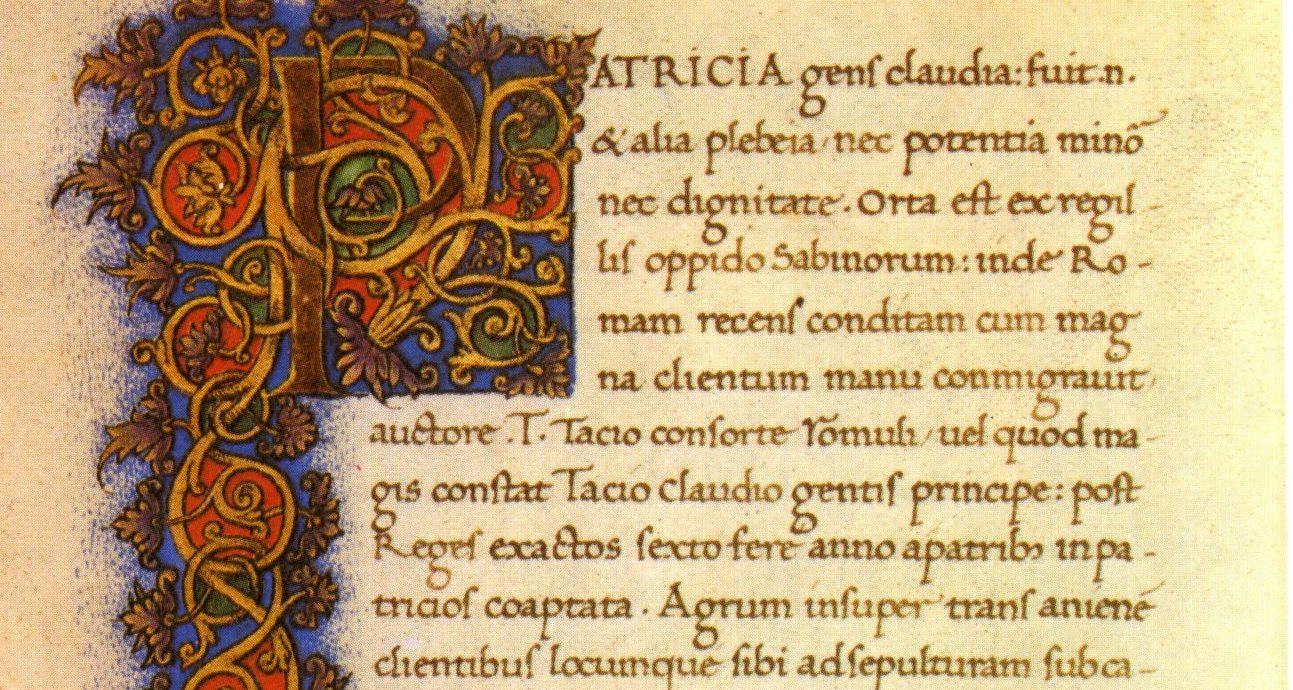
Is it Fair to Refer to a Decline and/or Fall in the Standard of Latin Literature between 80 BC and AD 180, and if not, Did one Occur at All?
Literature began to flourish with the birth of Cicero but did not die with him and the Republic, in fact, for another two centuries the best writers in the world were Roman
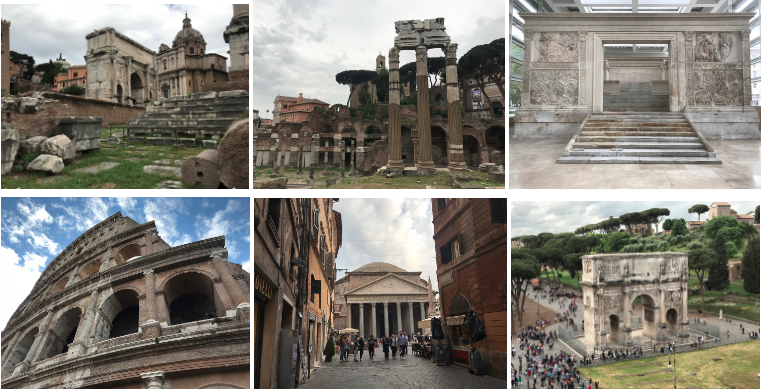
From Whence and Wherefore Were the Trees? Some Critical Thoughts on the Ustrinum Domus Augustae
Historical evidence suggests that Augustus Caesar, first Emperor of Rome, was a person who liked to plan ahead. His predilection for preparedness is perhaps most apparent when we consider the details pertaining to the end of his life.
Strategy, Strategic Leadership and Strategic Control in Ancient Greece
The purpose of the following paper is to describe the role of strategies and strategist in classical and hellenistic Greece
Texts and Artifacts: A Spatial Analysis of Papyri at Karanis
This paper takes a quantitative and spatial analytical approach to the papyri excavated from the Graco-Roman Egyptian town of Karanis.
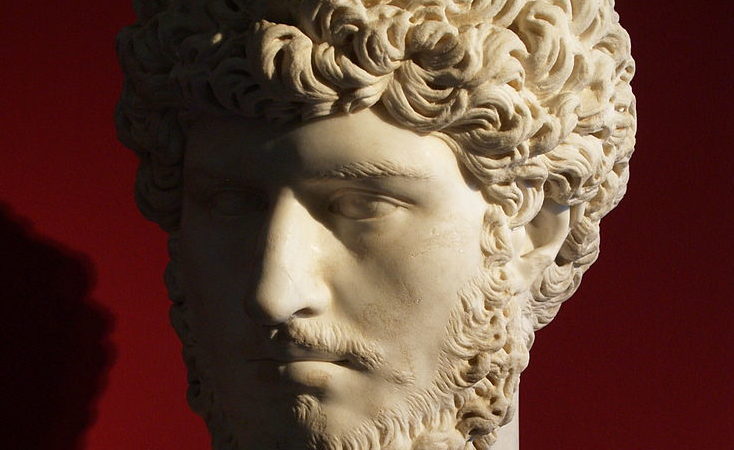
Augustus Caesar and the Exile of Ovid: a Mystery Revisited
The first Emperor of Rome wrought profound changes in the world and hence his name resounds throughout millennia; however, the individual who bore that heavy honour has always been remembered as something of an enigma. Can we, on the basis of ruins and statues and written acclaim, really infer the character of an empire-building autocrat?
Divorce in Classical Athenian Society: Law, Practice and Power
The practice of divorce in classical Athens sheds light on relationships which are fundamental to our understanding of Athenian society: between husband and wife, between separate households, and between household and state.
Roman Baths: An Alternate Mode of Viewing the Evidence
The baths were the setting for more than just cleansing the body and a variety of ball games, wrestling, eating and other social activities took place within the baths.
The Evolution of the Roman Calendar
In 45 BC, Julius Caesar reformed the calendar, creating a solar year of 365 days with leap years every four years.
Don
Daily life as the Romans knew it ceased for the festival; it was more important to maintain a good relationship with the spirits of the ancestors than it was to continue with the typical types of worship and commonplace legal activities. The one similarity between all these celebrations is that they were all state-sponsored. In this way, the Roman leaders were able to control the citizens
TravelAll posts
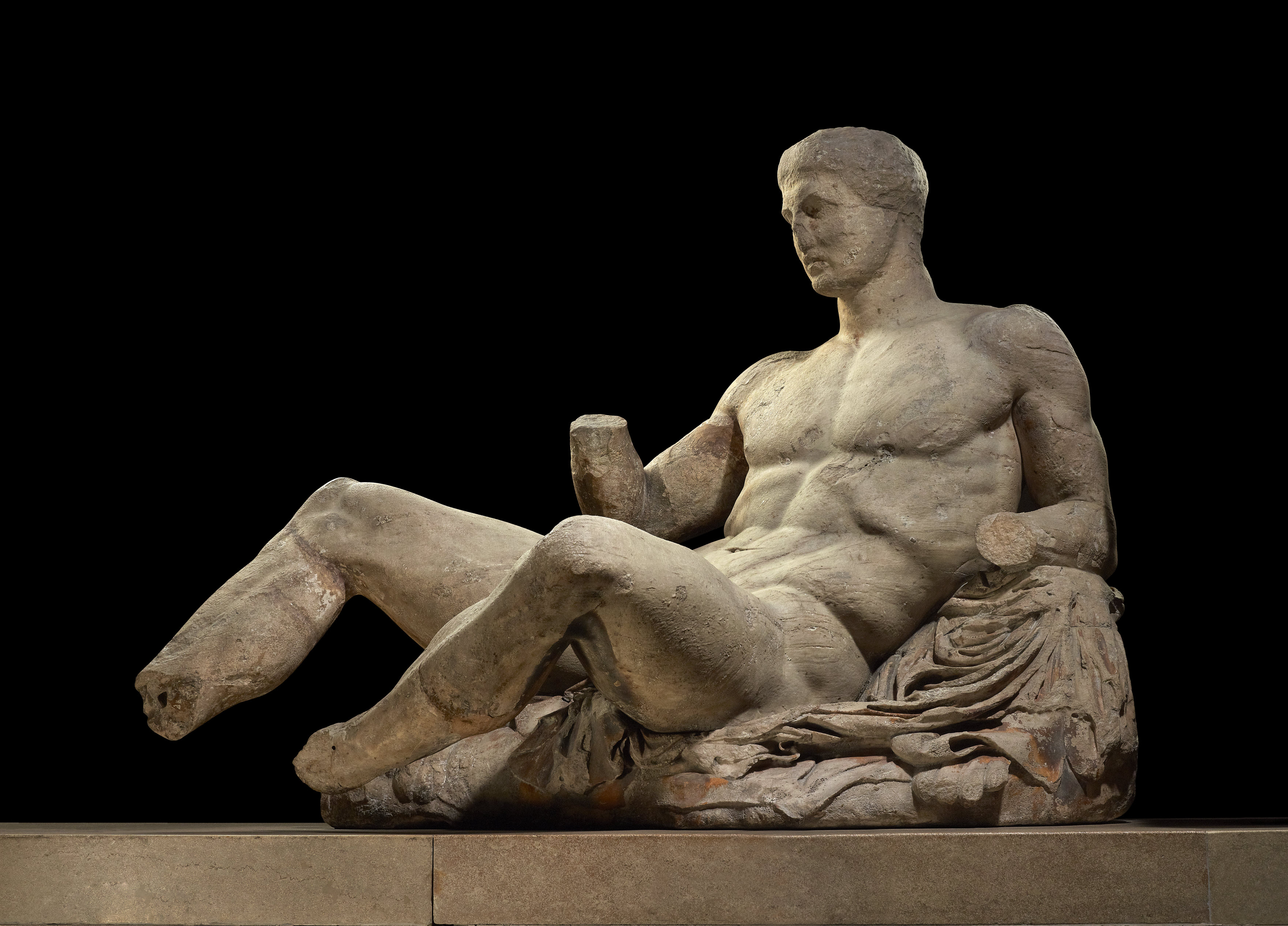
EXHIBITS – Defining Beauty: The Body in Ancient Greek Art
My review of the British Museum’s – Defining Beauty: The Body in Ancient Greek Art which explores daily life, gender, sexuality, athleticism, heroism, and the social and political ideologies the Greeks espoused through their views on the human form.
NewsAll posts
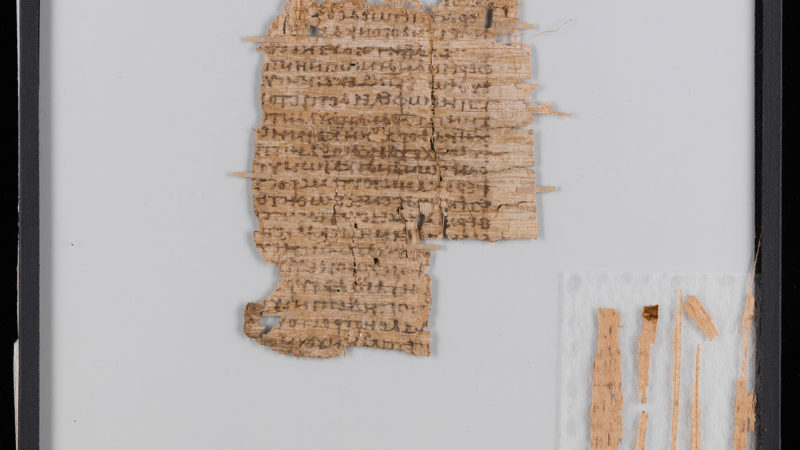
Basel papyrus is an ancient medical text, researchers find
Since the 16th century, Basel has been home to a mysterious papyrus. With mirror writing on both sides, it has puzzled generations of researchers.
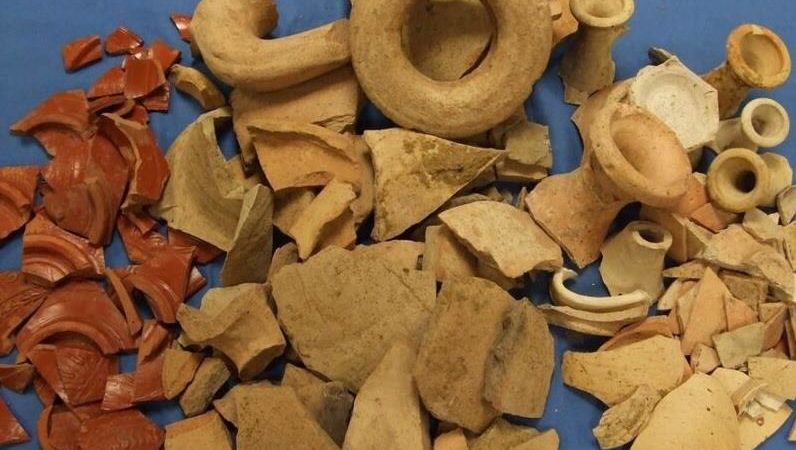
Research network sheds new light on drinking and eating habits in the Roman world
The landmark 50th issue of the journal Internet Archaeology is featuring pioneering research that is investigating new ways of analysing millions of Roman artefacts associated with the consumption of food and drink.
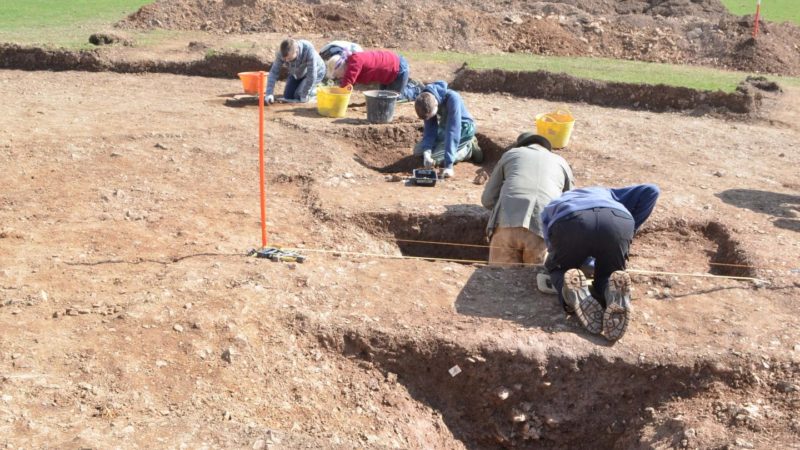
Ancient human remains and a medieval mystery unearthed in southern England
Excavation of a Bronze Age burial mound in south west England leads to the discovery of an intact 4,000 year old human cremation as well as evidence of unaccountable activity from the medieval period on the same site.
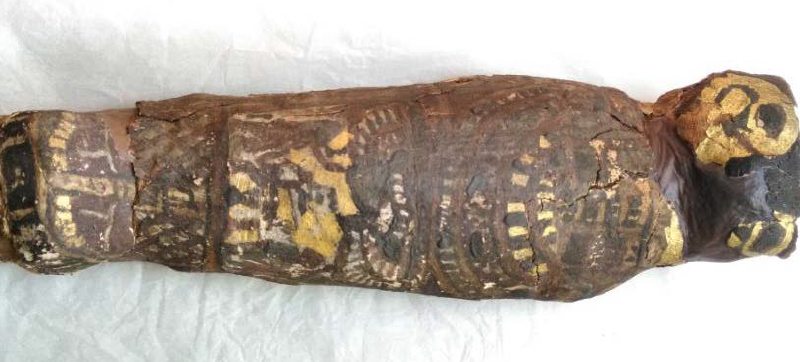
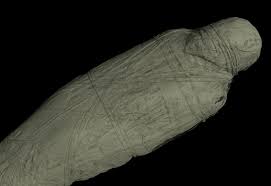
2,100-year-old ‘hawk’ mummy actually a stillborn baby, scan reveals
A tiny Egyptian mummy long believed to be that of a hawk is actually a rare example of a near-to-term, severely malformed fetus
BooksAll posts

BOOKS: Hot New Ancient History Releases!: January
If improving your reading is your goal for 2016, you’ve come to the right place! Here are our hot new ancient history releases for January!

New Releases: Ancient Books for the Holiday Season!
A few new releases for the historian on your shopping list!
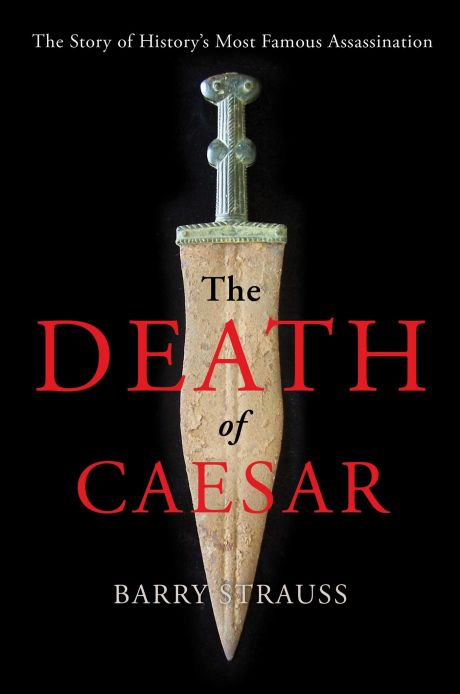
The Death of Caesar: New Light on History’s Most Famous Assassination
Barry Strauss talks about his new book The Death of Caesar: The Story of History’s Most Famous Assassination.

The Tears of Re: Beekeeping in Ancient Egypt
In these four videos, Gene Kritsky, author of The Tears of Re, talks about beekeeping in Ancient Egypt
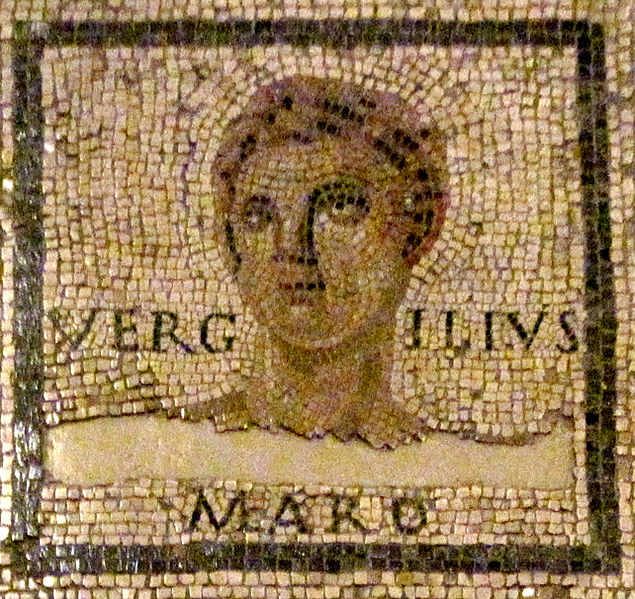
New Open Access Book on Vergil’s Political Commentary
Leendert Weeda examines Vergil’s political views by analyzing the whole of the poet’s work and introduces the notion of the functional model, which suggests that the poet does not primarily have a literary objective, but a functional one.
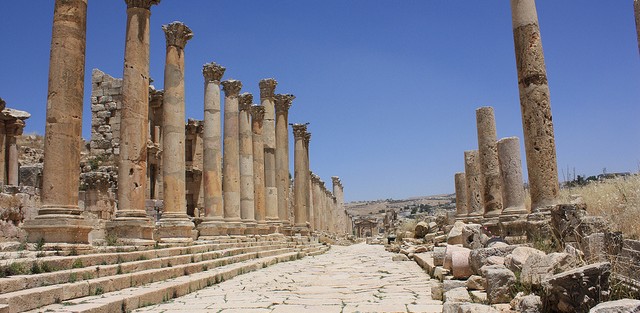
Fall of Roman Empire can be explained by biology, researcher says
Forget the Vandals – the fall of the Roman Empire can be explained by biology, according to a new book.